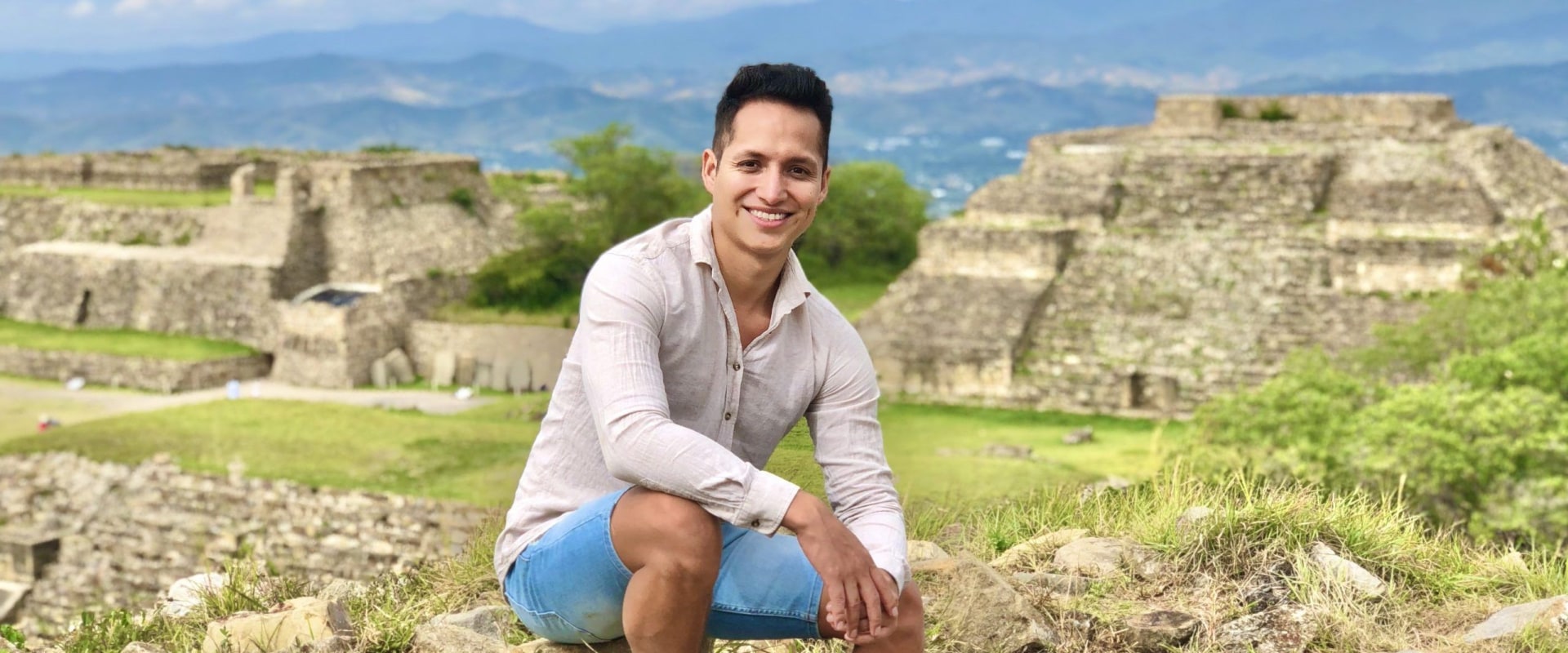
Genealogy, the study of family history and lineage, serves as a powerful tool for individuals seeking to understand their roots and the stories that shape their identities. It goes beyond mere names and dates; it delves into the rich tapestry of human experience, revealing connections to ancestors who lived in different times and places. By tracing our family trees, we not only uncover the geographical origins of our forebears but also gain insights into their lives, struggles, and triumphs. This journey into the past can be both enlightening and emotionally rewarding, as it allows us to appreciate the sacrifices made by those who came before us.The importance of genealogy extends far beyond personal curiosity.
It fosters a sense of belonging and continuity, linking us to a broader narrative that transcends generations. Understanding where we come from can provide context for our present circumstances and influence our future choices. For many, genealogy is a way to honour their heritage, preserving family stories that might otherwise be lost to time. It can also play a crucial role in health awareness, as knowledge of genetic predispositions can inform lifestyle choices and medical decisions.As we embark on the quest to uncover our ancestors' places of origin, we engage in a process that is both investigative and reflective.
The tools available today—ranging from online databases to DNA testing—have made it easier than ever to piece together our family histories. However, this journey requires patience and diligence, as the path may be fraught with challenges such as incomplete records or common surnames that complicate searches. Yet, each discovery brings us closer to understanding not just who we are, but also how we fit into the larger narrative of humanity.
Starting Your Genealogical Journey
Embarking on your genealogy journey can be both exciting and overwhelming. To lay a solid foundation for your research, it’s essential to start with the information you already have at hand.Here are some practical steps to guide you through the initial stages of uncovering your family history.
1.Gather Existing Family Information
- Begin by collecting any documents that may contain family details, such as birth certificates, marriage licenses, and death records. These documents often provide crucial information about your ancestors.
- Compile family photographs, letters, and diaries that may offer insights into your family's past. Even seemingly mundane details can lead to significant discoveries.
- Utilise online platforms or software designed for building family trees. These tools can help you organise the information you gather and visually represent your family connections.
2.Interview Relatives
One of the most valuable resources in genealogy is your living relatives.
Engaging them in conversation can yield rich stories and details that are not documented elsewhere.
- Prepare questions in advance: Ask about names, dates, places, and any family lore that has been passed down through generations. Specific questions can elicit more detailed responses.
- Record the conversations: With permission, record interviews to capture the nuances of their stories. This will also allow you to revisit their accounts later without relying solely on memory.
- Be patient and open-minded: Family stories may vary or conflict; approach these narratives with curiosity rather than scepticism.
3.Document Your Findings
As you gather information, it’s crucial to document everything meticulously. This will not only help you keep track of what you’ve discovered but also assist others who may join you in your research later on.
- Create a dedicated notebook or digital file for your genealogy notes.
Include sources for each piece of information to ensure accuracy and credibility.
- Organise your findings chronologically or by family branch to make it easier to navigate through your research as it expands.
- Consider using citation styles commonly used in genealogy to maintain consistency in how you reference sources.
Utilising Online Resources for Genealogy Research
In the digital age, the quest for uncovering your ancestors' origins has been revolutionised by a plethora of online resources. These platforms not only provide access to vast databases of genealogical records but also offer tools that can simplify the research process. Here, we will explore some of the most effective online genealogy resources available today.Popular Genealogy Websites
- Ancestry.co.uk: One of the largest genealogy websites, Ancestry offers a comprehensive collection of records, including census data, military records, and immigration documents.
Its user-friendly interface allows you to build your family tree and connect with other researchers.
- Findmypast: This site is particularly strong in UK records, providing access to parish registers, electoral rolls, and more. Findmypast also features unique collections such as the British Newspaper Archive, which can provide context to your ancestors' lives.
- MyHeritage: Known for its advanced DNA testing services, MyHeritage also offers a robust database of historical records. The platform's Smart Matching technology can connect you with potential relatives based on shared ancestry.
- FamilySearch: Operated by The Church of Jesus Christ of Latter-day Saints, FamilySearch is a free resource that boasts an extensive collection of genealogical records from around the world. Its collaborative nature allows users to contribute and edit information, making it a valuable community resource.
Digital Archives and Libraries
Many national and local archives have digitised their collections, making them accessible from the comfort of your home.
For instance:
- The National Archives (UK): This repository holds a wealth of documents related to British history, including military service records and immigration files. Their online catalogue allows you to search for specific documents relevant to your ancestors.
- British Library: The British Library offers access to a range of digitised materials, including newspapers and maps that can provide context about your ancestors' lives and locations.
- Local History Societies: Many local history societies have digitised their archives and made them available online. These can include parish records, local newspapers, and other documents that may not be found in larger databases.
Maximising Your Research
To effectively utilise these online resources, consider the following tips:
- Start with what you know : Gather as much information as possible about your immediate family before diving into online databases. This will help you formulate specific queries.
- Use multiple sources : Cross-reference information from different websites to verify accuracy and fill in gaps in your research.
- Take advantage of community forums : Many genealogy websites have forums where users share tips and advice.
Engaging with these communities can provide insights that may lead you to new resources or connections.
- Document your findings : Keep detailed notes on where you found each piece of information. This will help you track your research progress and avoid duplicating efforts.
Exploring National Archives and Historical Records
When embarking on your genealogy journey, the significance of national archives and historical records cannot be overstated. These repositories house a wealth of information that can illuminate your family history, providing insights into your ancestors' lives, migrations, and origins.Accessing National Archives
National archives are typically government-run institutions that preserve important documents and records. To access these resources, you can start by visiting their official websites, where many archives offer online databases.
Here are some steps to guide you:
- Identify the Relevant Archive: Depending on your ancestor's country of origin, you will need to locate the appropriate national archive. For instance, in the UK, The National Archives in Kew is a primary resource.
- Utilise Online Catalogues: Most national archives provide online catalogues that allow you to search for specific records. Familiarise yourself with the search functions and filters available.
- Plan Your Visit: If you intend to visit in person, check the archive's opening hours and any visitor requirements. Some archives may require advance booking or have specific guidelines for accessing certain records.
Types of Documents Available
The types of documents you can find in national archives vary widely but often include:
- Census Records: These provide snapshots of populations at specific times, detailing names, ages, occupations, and places of residence.
- Military Records: If your ancestors served in the military, these records can reveal valuable information about their service history.
- Immigration and Naturalisation Records: These documents can help trace when and where your ancestors arrived in a new country.
- Vital Records: Birth, marriage, and death certificates are crucial for establishing family connections.
Navigating Historical Records Effectively
While national archives are treasure troves of information, navigating them can be daunting.
Here are some tips to enhance your research experience:
- Be Specific: When searching for records, use as much detail as possible—names, dates, and locations can significantly narrow down results.
- Cross-Reference Information: Verify findings by cross-referencing multiple sources. This helps ensure accuracy and provides a fuller picture of your ancestor's life.
- Take Notes: Document your findings meticulously. Keeping track of what you discover will help you build a coherent family tree.
Understanding Immigration Records and Their Significance
When delving into the world of genealogy, understanding immigration records is paramount for uncovering your ancestors' origins.These documents serve as a vital link between the past and present, providing insights into the journeys your forebears undertook in search of new opportunities.Immigration records encompass a variety of documents that can shed light on your ancestor's migration history. Here are some key types of immigration documentation you may encounter:
- Passenger Lists: These lists detail individuals who arrived at a port, often including their names, ages, occupations, and places of origin. They are invaluable for tracing the initial arrival of your ancestors in a new country.
- Naturalization Records: These documents record the process by which an immigrant became a citizen. They typically include personal details such as the immigrant's name, date of birth, and country of origin, along with the date and place of naturalization.
- Ship Manifests: Similar to passenger lists, ship manifests provide detailed accounts of all passengers aboard a vessel.
They can reveal additional information about family groups travelling together.
- Immigration Petitions: These petitions were filed by immigrants seeking to enter a country legally. They often contain personal narratives that can provide context about an ancestor's motivations for emigrating.
- Border Crossing Records: For those whose ancestors crossed borders between countries, these records can offer insights into their movements and residency.
- Start with Known Information: Gather as much information as possible about your ancestor before searching for immigration records. Names, dates, and locations will help narrow down your search.
- Utilise Online Databases: Many archives and genealogical websites offer digitised immigration records.
Websites like Ancestry.com or FamilySearch.org can be excellent resources.
- Visit Local Archives: If online searches yield limited results, local archives or libraries may hold physical copies of immigration records that are not available online.
The Role of DNA Testing in Genealogy
In recent years, DNA testing has emerged as a revolutionary tool in the field of genealogy, providing individuals with unprecedented insights into their ancestral roots. By analysing genetic material, these tests can reveal not only your ethnic background but also connect you with distant relatives, thereby enriching your understanding of family history.There are three primary types of DNA tests commonly used in genealogical research:- Autosomal DNA Tests: These tests examine the 22 pairs of non-sex chromosomes inherited from both parents.
They are particularly useful for identifying relatives within the last five generations and can provide a broad overview of your ethnic background.
- Mitochondrial DNA (mtDNA) Tests: This type of test traces maternal lineage by analysing the DNA passed down from mothers to their children. It is beneficial for those looking to explore their maternal ancestry and can reveal information about ancient migrations.
- Y-DNA Tests: Exclusively available to males, Y-DNA tests trace paternal lineage through the Y chromosome. This test can help uncover connections to male ancestors and is particularly useful for surname studies.
For instance, if your results indicate a significant percentage of ancestry from a specific country, you can focus your research efforts on that region to uncover more about your family’s history.However, interpreting DNA results requires careful consideration. It is essential to understand that genetic matches do not always equate to direct relationships; shared DNA segments may indicate a common ancestor several generations back. Therefore, it is advisable to combine DNA findings with traditional genealogical methods, such as documentary research, to build a more comprehensive family tree.Moreover, many DNA testing companies offer tools that allow users to connect with potential relatives who have also taken the test. This feature can lead to exciting discoveries about family connections and shared histories that may not have been documented elsewhere.In conclusion, while DNA testing is not a standalone solution for genealogical research, it significantly enhances the process by providing unique insights and connections.
By integrating genetic data with traditional research methods, you can uncover a richer narrative of your family’s past and gain a deeper appreciation for your heritage.
Navigating Challenges in Genealogical Research
Genealogical research can be a rewarding yet challenging journey. As you delve into your family history, you may encounter various obstacles that can hinder your progress. Understanding these challenges and developing strategies to overcome them is essential for any genealogist.Name Changes
One of the most common issues faced in genealogy is name changes. This can occur for various reasons, including marriage, immigration, or personal choice.
When researching your ancestors, it’s crucial to consider all possible variations of their names. For instance, a surname might have been altered due to spelling errors in records or anglicisation upon arrival in a new country.
- Start by compiling a list of all known name variations.
- Utilise wildcard searches in online databases to capture different spellings.
- Consult marriage and death records, as these often reveal maiden names or previous surnames.
Missing Records
Another significant challenge is the absence of records. Historical events such as wars, natural disasters, or poor record-keeping practices can result in lost documents. If you find yourself facing missing records, consider the following approaches:
- Explore alternative sources such as church registers, local histories, or newspapers that may provide context or information about your ancestors.
- Engage with local historical societies or genealogical groups that may have access to unique resources.
- Utilise online forums and social media groups where fellow researchers can share insights and tips.
Cultural Barriers
Cultural differences can also pose challenges in genealogical research.
Language barriers may prevent you from accessing vital records or understanding documents written in foreign languages. To navigate this:
- Consider using translation services or tools to help decipher foreign documents.
- Familiarise yourself with the naming conventions and record-keeping practices of your ancestors' culture.
- Seek out bilingual volunteers or genealogists who specialise in the region of interest.
Connecting with Local Historical Societies and Libraries
When delving into the intricate tapestry of your family history, local historical societies and libraries emerge as invaluable allies in your genealogical journey. These institutions often house a wealth of resources that can significantly enhance your research efforts.Local Historical Societies
- Specialised Knowledge: Local historical societies are typically staffed by individuals who possess extensive knowledge about the region's history and its inhabitants.
They can provide insights that are not readily available in online databases or national archives.
- Unique Collections: Many societies maintain unique collections of documents, photographs, and artefacts that pertain specifically to the local area. These materials can include family histories, land records, and even personal letters that may shed light on your ancestors' lives.
- Networking Opportunities: Engaging with local historical societies also opens doors to networking opportunities with other genealogists and historians. These connections can lead to collaborative research efforts and the sharing of valuable information.
Library Resources for Genealogy
- Access to Archives: Public libraries often have dedicated genealogy sections that provide access to local archives, including census records, birth and death certificates, and marriage licenses. Many libraries also subscribe to genealogy databases such as Ancestry.com or Findmypast, which patrons can use for free.
- Research Assistance: Librarians are often trained in genealogical research methods and can assist you in navigating the resources available.
They can help you formulate research strategies and guide you toward relevant materials.
- Workshops and Events: Many libraries host workshops, lectures, and events focused on genealogy. These gatherings can be excellent opportunities to learn new research techniques and meet others who share your interest in family history.
Community Archives
In addition to historical societies and libraries, community archives play a crucial role in preserving local history. These archives often contain records that reflect the diverse backgrounds of the community's residents. By exploring these resources, you may uncover vital information about your ancestors' origins, migration patterns, and everyday lives.In conclusion, tapping into the resources offered by local historical societies, libraries, and community archives can significantly enrich your genealogical research.
By leveraging their unique collections and expertise, you can uncover the stories of your ancestors with greater depth and clarity.
Verifying Ancestral Information: Best Practices
When delving into the world of genealogy, the accuracy of the information you gather is paramount. As you piece together your family history, it is essential to adopt best practices for verifying the data you collect. This not only enhances the reliability of your research but also ensures that the stories you uncover are as authentic as possible.1.Cross-Referencing Sources
One of the most effective methods for verifying genealogical information is cross-referencing multiple sources. When you find a piece of information, such as a birth date or place of residence, seek out additional records that confirm this data.
For instance, if you discover a birth certificate, look for corresponding census records, marriage licenses, or death certificates that corroborate the details. This triangulation of evidence helps to build a more robust family narrative.
2.Evaluating Source Credibility
Not all sources are created equal. It is crucial to assess the credibility of each source you encounter. Primary sources, such as official documents and firsthand accounts, typically hold more weight than secondary sources like family trees compiled by others or online databases that may lack rigorous verification processes.
Always consider the origin of the information and whether it has been subjected to scrutiny.
3.Documenting Your Findings
As you gather information, meticulous documentation is vital. Keep detailed notes on where each piece of data was obtained, including URLs for online resources and citations for physical documents. This practice not only aids in future research but also allows others who may view your work to trace back your findings and verify them independently.
4.Engaging with Community Resources
Genealogy is often a collaborative effort. Engaging with local historical societies, genealogy groups, and online forums can provide valuable insights and verification opportunities.
Fellow researchers may have access to unique resources or have encountered similar challenges in their own searches, making them invaluable allies in your quest for accuracy.
5.Embracing Technology
Utilising technology can significantly enhance your ability to verify genealogical information. Many genealogy software programs offer features that help track sources and link them to specific individuals in your family tree. Additionally, DNA testing services can provide clues about familial connections that may not be evident through traditional research methods.In conclusion, verifying ancestral information is a critical component of genealogical research. By cross-referencing sources, evaluating credibility, documenting findings meticulously, engaging with community resources, and embracing technology, you can ensure that your family history is both accurate and meaningful.
<strong>Conclusion</strong>
In conclusion, the journey of uncovering your ancestors' places of origin is both a rewarding and intricate process.As you delve into the world of genealogy, it becomes clear that each piece of information you gather can lead to new discoveries about your family's past. The importance of thorough research cannot be overstated; understanding the historical context of your ancestors' lives will provide invaluable insights into their migration patterns and the reasons behind their relocation.Utilising a variety of resources is essential. From national archives to local libraries, each repository holds unique records that can illuminate your family history. Engaging with community resources, such as historical societies and genealogy groups, can also enhance your search.
These organisations often have access to databases and records that may not be readily available online.Moreover, consider the significance of oral histories within your family. Stories passed down through generations can offer clues that lead to official records. Listening to relatives recount their memories can spark ideas for further research and help you connect the dots in your family tree.As you navigate through various records, remember that patience is key. The search for your ancestors' origins may not always yield immediate results, but persistence will pay off.
Each record you examine brings you one step closer to understanding where you come from.Finally, embrace the technological advancements available today. DNA testing has revolutionised the field of genealogy, providing a new dimension to your research. By comparing your genetic information with others, you may uncover connections that traditional records alone cannot reveal.In summary, uncovering your ancestors' places of origin is a multifaceted endeavour that requires dedication, resourcefulness, and an open mind. With each discovery, you not only learn about your family's history but also gain a deeper appreciation for the diverse tapestry of human experience that shapes who you are today.