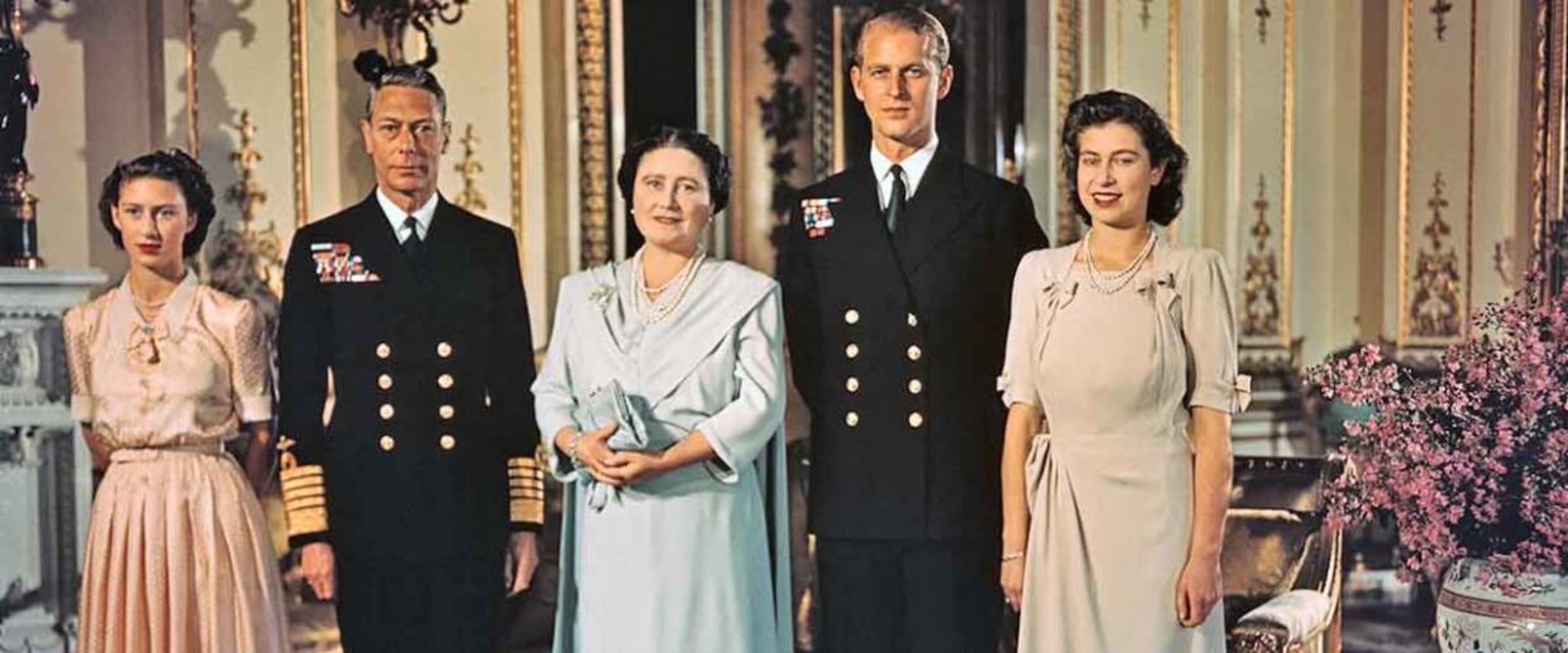
The exploration of royal genealogy offers a fascinating glimpse into the intricate tapestry of history that binds together generations of monarchs. At the heart of this lineage lies Queen Elizabeth II, whose reign has become synonymous with modern British history. However, her ancestry stretches back to the early medieval period, connecting her to King Egbert, a pivotal figure in the formation of England as we know it today. Understanding this lineage not only illuminates the personal histories of these rulers but also reveals the broader socio-political landscape that shaped their reigns.Tracing the bloodline from Queen Elizabeth II to King Egbert is more than a mere academic exercise; it serves as a reminder of the continuity and evolution of monarchy in Britain.
Each monarch has played a role in defining the nation’s identity, with their decisions echoing through time. The significance of royal genealogy extends beyond individual stories; it encapsulates the very essence of British heritage, reflecting how power, culture, and society have interwoven over centuries.As we delve deeper into this royal family history, we will uncover not only the names and dates that populate family trees but also the events and circumstances that influenced their lives and reigns. From Queen Elizabeth II's modern challenges to King Egbert's foundational role in uniting various kingdoms, each link in this genealogical chain tells a story of resilience, adaptation, and legacy. This exploration invites readers to appreciate the rich narrative that connects past and present, highlighting how royal bloodlines continue to shape our understanding of history.
The Importance of Genealogy in Royal History
Genealogy plays a pivotal role in the understanding of royal history, serving as a crucial tool for tracing the lineage and heritage of monarchs.The significance of genealogy extends beyond mere family trees; it encompasses issues of legitimacy, inheritance rights, and the intricate political implications that arise from bloodlines.One of the primary reasons genealogy is essential in royal history is its impact on legitimacy. In many monarchies, the right to rule is often derived from a clear and unbroken line of descent. For instance, claims to the throne can be contested if there are doubts about a monarch's ancestry. This was evident during various historical disputes, such as the Wars of the Roses in England, where rival factions fought for control based on their genealogical claims to the throne.Moreover, genealogy is integral to understanding inheritance laws within royal families.
Different dynasties have adopted various rules regarding succession, often influenced by their genealogical ties. For example, primogeniture—the right of the firstborn child to inherit—has been a common practice in many royal families. This system ensures that titles and lands are passed down through a direct line, maintaining the integrity of the bloodline.The political implications of genealogy cannot be overstated. Marriages between royal families were often strategic alliances designed to strengthen political ties or secure peace between nations.
The genealogy of these unions can reveal much about historical relationships and power dynamics. For instance, the marriage between Queen Victoria and Prince Albert established connections among numerous European royal families, leading to a network often referred to as the "Royal Family of Europe."In addition to these factors, genealogy also serves as a means of preserving cultural heritage and identity. Understanding one’s roots can foster a sense of belonging and continuity within a royal lineage. This is particularly important for modern monarchies that seek to maintain relevance in contemporary society while honouring their historical legacies.In conclusion, genealogy is not merely an academic pursuit; it is a vital aspect of royal history that influences legitimacy, inheritance, and political alliances.
As we explore the bloodlines from Queen Elizabeth II back to King Egbert, we uncover not just names and dates but also the rich tapestry of history that has shaped the monarchy as we know it today.
Queen Elizabeth II: A Modern Monarch
Queen Elizabeth II, born on April 21, 1926, in London, ascended to the throne on February 6, 1952, following the death of her father, King George VI. Her reign, which lasted over 70 years, is the longest of any British monarch and marked a significant period of change and modernisation within the monarchy.Throughout her life, Queen Elizabeth II demonstrated a profound sense of duty and commitment to her role as monarch. She was educated at home and later trained as a driver and mechanic during World War II, showcasing her dedication to service from an early age. Her marriage to Prince Philip in 1947 further solidified her position within the royal family and provided a partnership that would last until his passing in 2021.During her reign, Queen Elizabeth II witnessed monumental shifts in British society and the world at large.From the decolonisation of Africa and the Caribbean to the rise of technology and social media, she adeptly navigated these changes while maintaining the dignity and traditions of the monarchy. Her ability to adapt was evident in her embrace of televised addresses and public engagements that brought the royal family closer to the people.The Queen's royal duties were extensive and varied. She attended numerous state functions, presided over the State Opening of Parliament, and met with countless heads of state. Her role extended beyond ceremonial duties; she was also instrumental in fostering diplomatic relations through state visits and hosting foreign dignitaries at Buckingham Palace.Moreover, Queen Elizabeth II played a crucial role in modernising the monarchy.
She recognised the importance of public perception and worked tirelessly to ensure that the royal family remained relevant in contemporary society. This included supporting charitable organisations and initiatives that addressed pressing social issues, thereby reinforcing the monarchy's commitment to public service.In summary, Queen Elizabeth II's reign was characterised by a blend of tradition and modernity. Her unwavering dedication to her duties, coupled with her ability to adapt to changing times, has left an indelible mark on the British monarchy. As she navigated through decades of change, she not only upheld royal traditions but also ensured that the monarchy remained a vital part of British life.
Tracing the Lineage: From Queen Elizabeth II to King Alfred the Great
The genealogy of Queen Elizabeth II reveals a fascinating tapestry of royal connections, tracing back to one of England's most revered monarchs, King Alfred the Great.This lineage not only highlights the continuity of the British monarchy but also underscores the historical significance of these figures in shaping the nation.Queen Elizabeth II, born in 1926, is a direct descendant of Alfred through a series of notable ancestors. To understand this connection, we can explore the family tree that links her to Alfred, who ruled from 871 to 899 AD. Alfred is often celebrated for his military prowess and his role in defending England against Viking invasions, as well as for his contributions to education and legal reform.At the heart of this lineage is King Egbert , who is considered the first King of England and a pivotal figure in the establishment of a unified English kingdom. Egbert's reign began in 802 AD, and he is an ancestor to many subsequent monarchs, including Alfred.
The royal family tree can be outlined as follows:
- King Egbert (reigned 802-839)
- King Aethelwulf (Egbert's son, reigned 839-856)
- King Aethelbald (Aethelwulf's son, reigned 855-860)
- King Aethelbert (Aethelwulf's son, reigned 860-865)
- King Aethelred I (Aethelwulf's son, reigned 865-871)
- King Alfred the Great (Aethelwulf's son, reigned 871-899)
The Connection to King Egbert: The Roots of English Monarchy
King Egbert, who reigned from 802 to 839 AD, is often regarded as the first King of England, marking a pivotal moment in the history of the English monarchy.His reign laid the groundwork for the unification of various Anglo-Saxon kingdoms into a single entity, which would eventually evolve into modern England. Egbert's lineage can be traced back to the early rulers of Wessex, a kingdom that played a crucial role in the formation of England.During his rule, Egbert successfully expanded his territory through a combination of military prowess and strategic alliances. He defeated rival kings and consolidated power, which allowed him to establish dominance over much of southern England. This unification was not merely a political achievement; it also fostered a sense of shared identity among the Anglo-Saxon people, setting the stage for future monarchs.Egbert's significance extends beyond his military conquests.
He was instrumental in promoting Christianity throughout his realm, which helped to unify the diverse tribes under a common faith. This religious cohesion would later play a vital role in the governance and cultural development of England.The genealogy connecting King Egbert to Queen Elizabeth II is both fascinating and complex. Through a series of dynastic marriages and political alliances, Egbert's descendants have maintained their royal status over centuries. Notably, his lineage includes notable figures such as Alfred the Great, who further solidified the foundations laid by Egbert.As we trace this royal ancestry, we find that Queen Elizabeth II is a direct descendant of Egbert through Alfred and subsequent monarchs.
This connection highlights not only the continuity of royal bloodlines but also the enduring legacy of King Egbert's reign in shaping English history.In summary, King Egbert's role as a foundational figure in English monarchy cannot be overstated. His efforts to unify various kingdoms and promote Christianity were crucial in establishing a cohesive identity for what would become England. The genealogical ties that link him to modern royals like Queen Elizabeth II serve as a testament to his lasting impact on the monarchy and the nation as a whole.
The House of Windsor: A Legacy of Change and Continuity
The establishment of the House of Windsor in 1917 marked a pivotal moment in British history, reflecting both the challenges and transformations faced by the monarchy during a time of great upheaval. Originally known as the House of Saxe-Coburg and Gotha, the royal family changed its name amidst anti-German sentiment during World War I.This rebranding was not merely a change of name; it symbolised a broader effort to connect with the British public and reinforce national unity.One of the most significant events leading to this change was the outbreak of World War I in 1914. As the conflict escalated, public opinion turned against anything perceived as German, including the royal family itself. King George V, recognising the need for a more relatable identity, decided to adopt a name that resonated with the British populace. Thus, the House of Windsor was born, named after Windsor Castle, a historic symbol of British heritage.The transition to the House of Windsor also coincided with a period of significant evolution within the monarchy. The royal family began to modernise its image, moving away from the aloofness that had characterised previous generations.
This shift was exemplified by King George V's efforts to engage more directly with his subjects, including attending public events and embracing new forms of communication such as radio broadcasts.As the 20th century progressed, the House of Windsor faced numerous challenges that tested its resilience and adaptability. The abdication crisis of 1936, when King Edward VIII chose to abdicate in order to marry Wallis Simpson, an American divorcée, shook the foundations of the monarchy. This unprecedented event led to his brother, George VI, ascending to the throne. George VI's reign was marked by his determination to restore public faith in the monarchy during World War II, where he and Queen Elizabeth (later known as the Queen Mother) became symbols of British endurance.In more recent times, the House of Windsor has continued to navigate through societal changes and public scrutiny.
The marriage of Charles, Prince of Wales, to Lady Diana Spencer in 1981 initially captivated the nation but later became embroiled in controversy and personal tragedy. The subsequent divorce and Diana's untimely death in 1997 prompted a reevaluation of how the royal family interacted with both media and public sentiment.Today, under Queen Elizabeth II's long reign and now King Charles III's leadership, the House of Windsor remains a dynamic institution. It has embraced modernity while still upholding traditions that date back centuries. The royal family's ability to adapt to changing societal norms—such as their increasing focus on mental health awareness and charitable initiatives—demonstrates their commitment to remaining relevant in contemporary society.In conclusion, the history of the House of Windsor is one marked by both continuity and change.
From its origins during a time of war to its current status as a symbol of national identity, it reflects not only the evolution of monarchy but also the shifting landscape of British society itself.
Notable Members of the Royal Family: Contributions and Controversies
The British royal family has been a significant part of the nation’s history, with numerous members making notable contributions to society while also facing their share of controversies. Beyond Queen Elizabeth II, several royals have left an indelible mark on the monarchy and the public.Prince Charles, The Prince of Wales
, now King Charles III, has been a prominent figure in environmental advocacy. His commitment to sustainability and organic farming has influenced public discourse on climate change and conservation. Through initiatives like The Prince's Trust, he has supported countless young people in their pursuit of education and employment, showcasing a dedication to social responsibility.However, his life has not been without controversy.
His marriage to Lady Diana Spencer captured the world's attention, but their tumultuous relationship and subsequent divorce in 1996 sparked intense media scrutiny. Diana's tragic death in 1997 further complicated public perceptions of the royal family, leading to debates about their role in the media frenzy surrounding her life.
Princess Anne, The Princess Royal
, is another notable member known for her unwavering work ethic and dedication to charitable causes. She has been involved with over 300 organisations, focusing on issues such as health, education, and sport. Her commitment to equestrian sports is particularly noteworthy; she competed in the 1976 Olympics as a member of the British equestrian team.Despite her achievements, Princess Anne has faced criticism for her straightforward manner and occasional clashes with the media.
Her candidness often draws mixed reactions from the public, highlighting the delicate balance royals must maintain between transparency and tradition.
Prince Harry and Meghan Markle
have also become synonymous with modern royal controversies. Their decision to step back from royal duties in 2020 was unprecedented and sparked widespread debate about the future of the monarchy. Their candid discussions about mental health and their experiences with royal life have resonated with many, yet their departure raised questions about loyalty and duty within the royal family.In conclusion, members of the royal family have made significant contributions to society through charitable work and advocacy while navigating complex personal lives that often attract public scrutiny. Their stories reflect both the responsibilities of royalty and the challenges they face in a rapidly changing world.
Genealogy Research: Tools and Resources for Tracing Royal Lineages
Tracing the genealogy of royal families can be a fascinating journey, revealing not only the intricate connections between historical figures but also the broader context of their reigns and influences.For those interested in delving into this rich tapestry of ancestry, there are numerous tools and resources available to assist in genealogy research.
1.Online Genealogy Databases
- Ancestry.co.uk: This comprehensive platform offers access to a vast array of historical records, including birth, marriage, and death certificates, as well as census data. Users can build family trees and connect with distant relatives.
- Findmypast: Particularly strong in UK records, Findmypast provides access to parish registers, military records, and more. It is an excellent resource for those specifically interested in British ancestry.
- MyHeritage: This site allows users to create family trees and offers DNA testing services to help uncover genetic connections. Its international database is beneficial for tracing lineage across borders.
2.Historical Societies and Archives
Local historical societies often maintain archives that include documents related to the royal family and their subjects.
Visiting these societies can yield unique insights into regional histories that may not be available online.
3.Libraries and National Archives
- The National Archives (UK): This institution houses a wealth of documents related to British history, including royal records. Researchers can access digitised documents or visit in person for more extensive research.
- Local Libraries: Many local libraries have genealogy sections with resources such as local history books, newspapers, and access to genealogy software.
4.DNA Testing Services
DNA testing has revolutionised genealogy research by providing insights into genetic heritage. Companies like AncestryDNA and 23andMe offer tests that can reveal ethnic backgrounds and connect users with potential relatives based on shared DNA.
5.Networking with Other Researchers
Joining genealogy forums or social media groups can provide valuable support and information from fellow enthusiasts. Sharing findings and tips can enhance your research experience significantly.By utilising these tools and resources, anyone interested in exploring the genealogy of royal lineages can embark on a rewarding journey through history, uncovering connections that span centuries.
FAQs About Royal Genealogy and Bloodlines
When delving into the intricate world of royal genealogy, many questions arise regarding the lineage and bloodlines of the British monarchy.Below are some frequently asked questions that aim to clarify common misconceptions and provide deeper insights into the fascinating subject of royal ancestry.
What is royal genealogy?
Royal genealogy refers to the study of the family trees and ancestral lines of royal families. It encompasses the tracing of lineage, understanding familial connections, and exploring historical contexts that have shaped these bloodlines over centuries. This field not only highlights direct descendants but also examines marriages, alliances, and the impact of historical events on royal families.How far back can we trace the British royal family?
The British royal family can trace its lineage back over a thousand years, with roots extending to notable figures such as King Egbert , who ruled in the early 9th century. The genealogical tree branches out through significant monarchs like Alfred the Great and William the Conqueror , leading to contemporary figures such as Queen Elizabeth II and her successors.Are all members of the royal family directly related?
While many members of the royal family share direct bloodlines, not all are direct descendants of every monarch.Marriages between different royal houses often introduce new branches into the family tree. For instance, Prince Philip , husband of Queen Elizabeth II, hailed from a different royal lineage in Greece and Denmark, showcasing how intermarriage among European royals has created a complex web of relationships.
What role do marriages play in royal genealogy?
Marriages are pivotal in shaping royal genealogy as they often serve to strengthen alliances between nations or houses. These unions can introduce new bloodlines into a royal family, impacting succession and inheritance laws. For example, the marriage between Queen Victoria 's descendants and various European royals established connections that are still relevant today.How does one research royal ancestry?
Researching royal ancestry typically involves examining historical records, such as birth and marriage certificates, wills, and official documents.Many genealogical societies and online databases provide resources for tracing lineage. Additionally, DNA testing has become a popular tool for individuals seeking to uncover their ancestral roots.
Can anyone claim descent from royalty?
While many people may wish to claim descent from royalty, proving such claims can be challenging. Most legitimate claims require substantial documentation and evidence linking individuals to verified royal ancestors. In some cases, individuals may find distant connections through shared ancestry but may not hold any formal title or recognition.Understanding these aspects of royal genealogy not only enriches our knowledge of history but also highlights the enduring legacy of monarchies in shaping societal structures across generations.Conclusion: The Enduring Legacy of Royal Genealogy
In conclusion, the exploration of the royal family bloodline from Queen Elizabeth II back to King Egbert reveals a rich tapestry of history, tradition, and continuity that is integral to understanding the British monarchy.The intricate web of genealogy not only highlights the connections between various monarchs but also underscores the significance of lineage in shaping the identity of the royal family.The journey through time, tracing the lineage from Queen Elizabeth II to her early ancestor King Egbert, illustrates how each monarch has contributed to the evolution of the monarchy. This lineage is not merely a list of names; it represents a legacy of leadership, resilience, and adaptation in response to changing societal norms and challenges. Each generation has faced its own trials, yet the royal family has maintained a sense of continuity that resonates with the public.Understanding royal genealogy is essential for appreciating the historical context in which these figures operated. For instance, Queen Elizabeth II's reign has been marked by significant events that have shaped modern Britain, while her ancestors laid the groundwork for a unified nation.
The connections to earlier kings, such as Alfred the Great and Egbert, remind us of the enduring nature of monarchy and its role in national identity.Moreover, royal genealogy serves as a reminder of the importance of heritage and tradition in contemporary society. As we delve into the past, we uncover stories that reflect not only personal histories but also collective experiences that have defined generations. The royal family's ability to adapt while honouring its roots is a testament to its enduring legacy.In summary, exploring the genealogy of the British royal family enriches our understanding of its history and significance. It invites us to reflect on how these connections influence current events and public perception.
As we look to the future, it is crucial to recognise that this legacy will continue to evolve, shaped by both tradition and modernity.